
Soil structure describes how soil particles and the spaces between them form aggregates. For a farmer, the useful question is what that arrangement means for roots, air and water in a particular field. A visual check helps you investigate those conditions alongside laboratory analysis and management records.
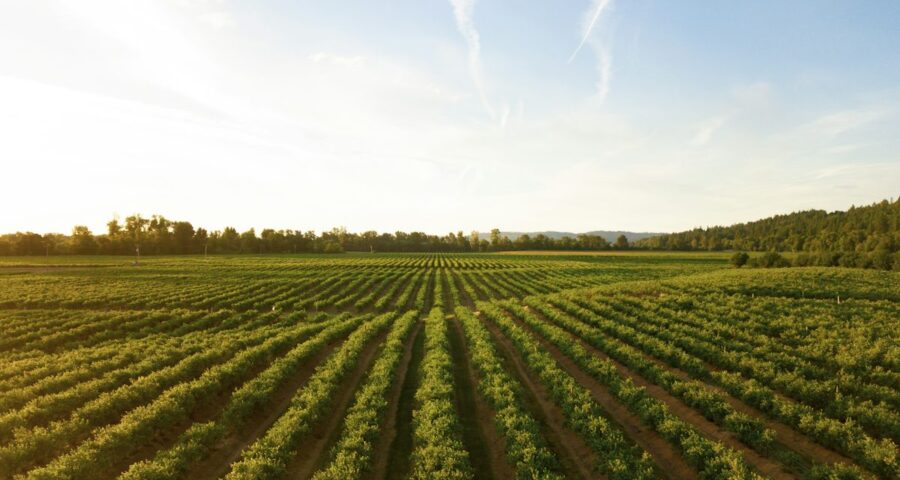
This guide explains how to plan and document that check on a UK holding. It adds a field-recording routine to AHDB’s video below. Photographs are illustrative stock images, not examples of assessed soil on a named farm.
Watch: how the soil-health checks fit together
AHDB Cereals & Oilseeds published this English-language video on 10 October 2022. It introduces the soil health scorecard and shows assessment in an arable field after harvest. The sequence brings physical observations together with earthworm counts and nutrient sampling, then considers how to interpret the combined results.
Useful points to revisit are choosing a location at 1:48, preparing the soil block at 2:25 and assessing its structure at 4:55. Watch the whole explanation before treating an isolated demonstration as a protocol for your holding.
Structure is a different question from nutrient content
A nutrient result does not describe every physical obstacle roots may encounter. Equally, an apparently crumbly handful does not supply a nutrient recommendation. Keep the observations separate, then discuss what they mean together. Our introduction to why farmers use fertilisers provides background to the nutrient side of that conversation.
AHDB’s visual-assessment guidance considers the surface, soil profile and rooting pattern. Its VESS approach uses a soil block and looks at aggregates, pores and roots. Use the full instructions and scoring illustrations when carrying out an assessment; this article is a preparation and recording guide.
Choose a question and record the location
Start with a specific concern: perhaps a patch is growing differently, or a trafficked area appears different from the rest of the field. Write that concern down before selecting the inspection points. An enquiry about an unusual patch and a routine assessment of a representative area serve different purposes.
Give each point an identifier that you can find again. Make a simple map and note the date, recent field operations, crop and conditions. Agree the assessment method with anyone helping so that the record does not mix observations made in different ways.

Use the score with supporting observations
AHDB groups VESS scores 1–2 as good, 3 as moderate and 4–5 as poor. A number is more useful when the record explains what you saw and where. Follow the guidance for identifying layers; do not hide a difficult layer inside a general description of the whole block.
Use a short record with the following fields:
- Point identifier and reason for inspecting it.
- Method and guidance sheet used.
- Conditions and recent management history.
- Layers observed, their depths and recorded score.
- Photographs labelled to match the point.
- Questions to discuss and the person responsible for follow-up.
Describe observations before assigning a cause. “Roots concentrated around a layer” is a field note; the explanation needs the wider evidence. Keep uncertain observations marked as uncertain rather than making the form look complete with a guess.
Turn the findings into a review, then reassess
Discuss a suspected limitation with a suitably experienced adviser before choosing a cultivation or machinery response. Share the map, photographs and history. Ask what further evidence would distinguish possible causes and what conditions would make any proposed operation appropriate.
For example, two inspection points might look different, but the farmer may have selected one on a wheel track and one outside it. That comparison can inform a targeted enquiry; it cannot automatically describe the whole field. This is an illustrative scenario, not a diagnosis or trial result.

Agree when and how to repeat the assessment, retaining comparable records. This makes it easier to evaluate a management change rather than relying on recollection. The wider business context is explained in our article on agriculture’s contribution to the UK economy: decisions on individual fields feed into the performance of the holding.
Key takeaways
Use the video to see how physical assessment fits into a broader soil-health review. Follow the detailed method, keep location-specific observations and separate evidence from interpretation. A useful outcome is a clear next question and a reliable record, even when more investigation is needed before changing management.
Leave a Reply